Nutrition Planning for Busy Schedules
Educational guidance for organizing your daily meals when time is limited
Explore Time-Efficient Meal Planning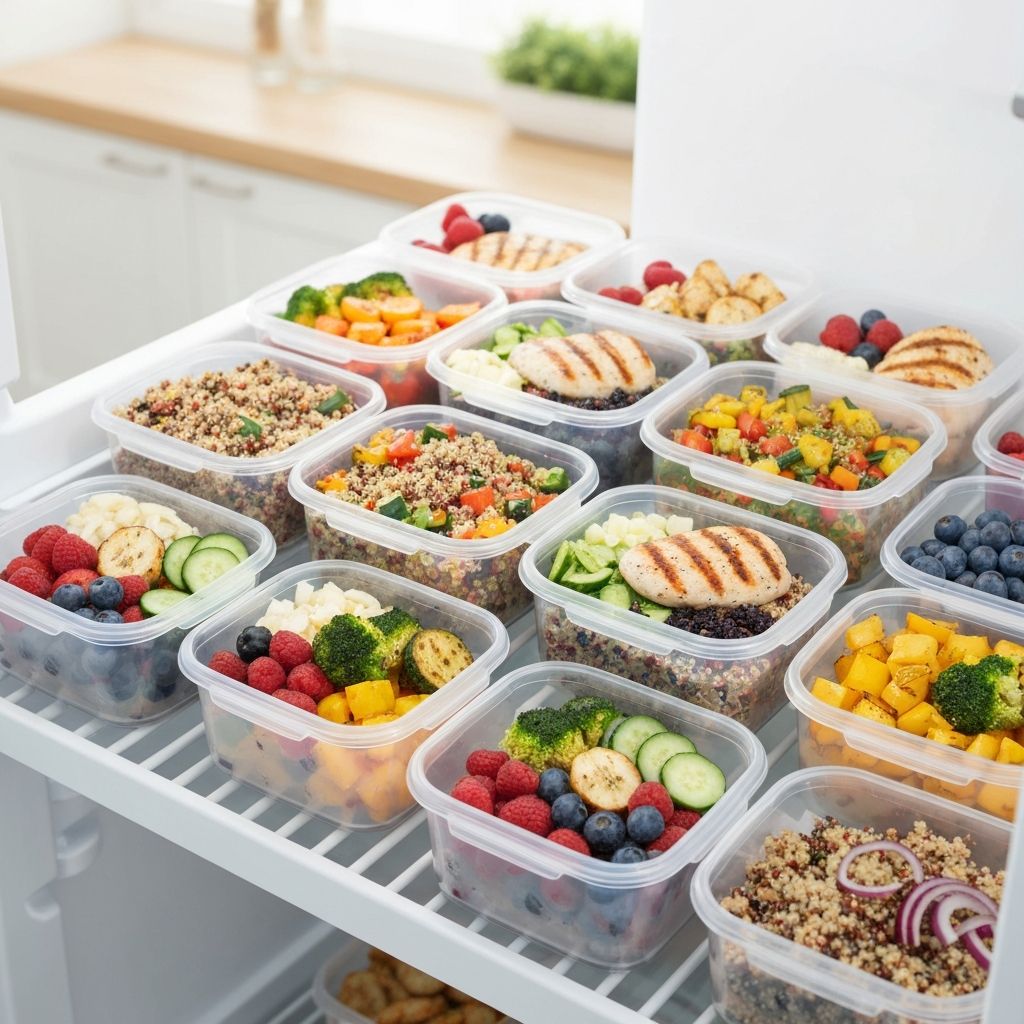
Educational guidance for organizing your daily meals when time is limited
Explore Time-Efficient Meal Planning
Balanced eating habits support consistent energy throughout your busy workday and help you stay focused on your tasks.
Organized meal planning saves valuable time and reduces the stress of deciding what to eat during busy periods.
Understanding nutrition basics helps you make informed food choices that fit your daily routine and personal preferences.

These everyday situations are where lifestyle nutrition consultation can provide educational guidance and practical approaches.
Learning to organize your weekly meals in advance helps reduce daily decision-making and saves time during busy workdays.
Understanding how to prepare multiple meals at once makes weekday eating more manageable and consistent.
Building meals with a variety of food groups helps ensure you get diverse nutrients in your daily eating pattern.
Creating adaptable meal frameworks allows you to adjust based on your schedule, preferences, and available ingredients.
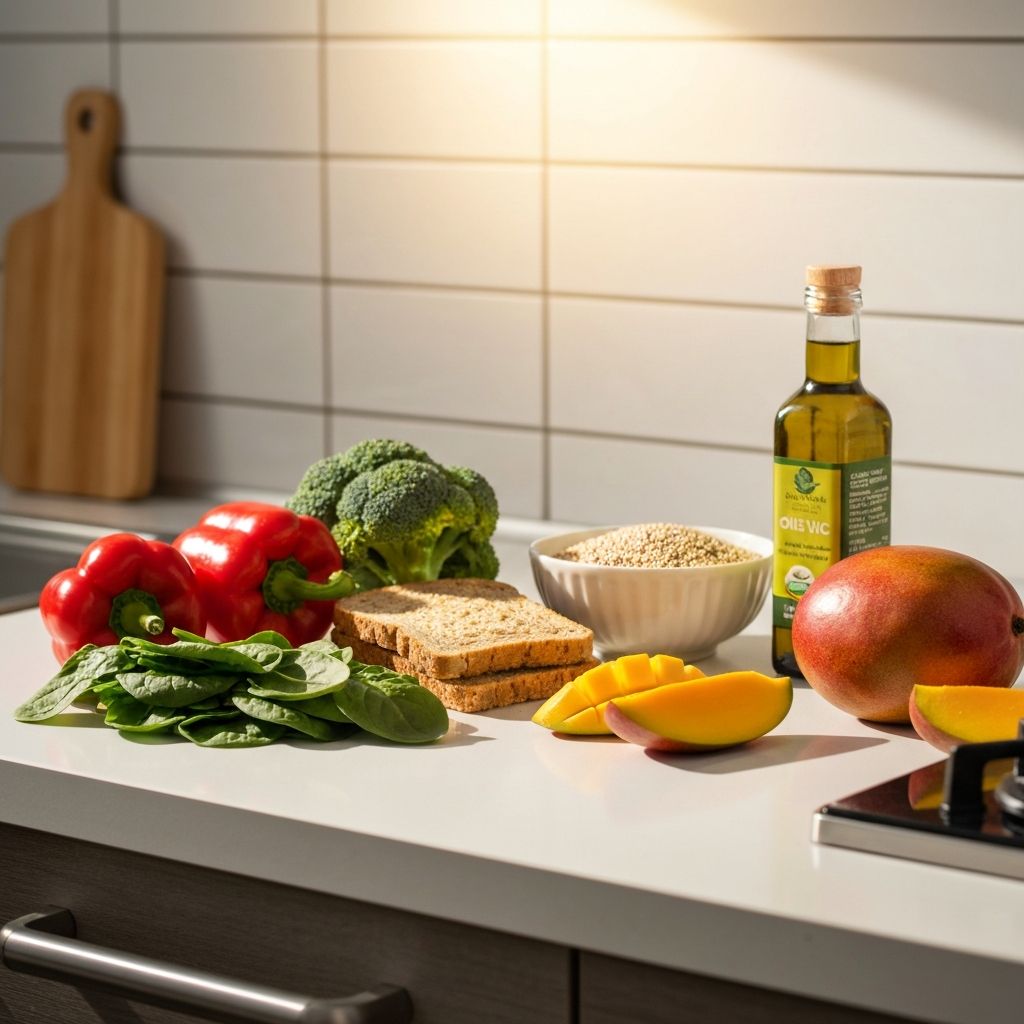
When time is limited, understanding which foods are both convenient and nutritionally balanced can make a significant difference:
Eggs, Greek yogurt, lean chicken, fish, legumes, and nuts provide essential amino acids with minimal preparation time.
Pre-washed salads, frozen vegetable mixes, cherry tomatoes, and cucumbers require little to no preparation.
Whole grain bread, oatmeal, rice, and pasta provide energy and can be prepared in advance or quickly cooked.
Avocados, olive oil, nuts, and seeds add flavor and satiety to meals without requiring cooking.
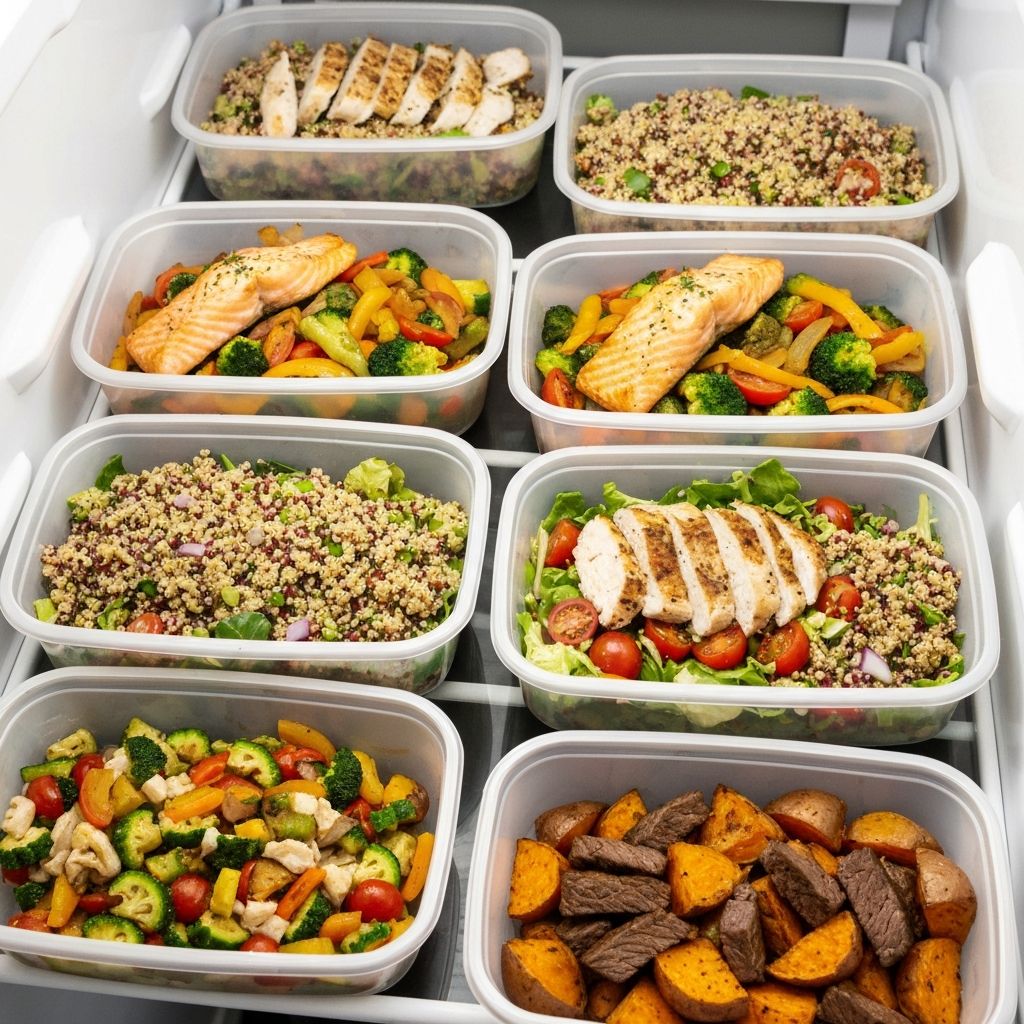
Dedicate time to outline your meals for the upcoming week based on your schedule and preferences.
Create a shopping list based on your plan to minimize store visits and reduce food waste.
Choose one or two days to prepare components that can be mixed and matched throughout the week.
Use appropriate containers and storage methods to keep prepared foods fresh and safe.
Those with demanding work schedules seeking organized approaches to daily eating.
Individuals balancing studies and limited cooking facilities who need practical meal guidance.
Families looking to streamline meal planning and preparation for household members.
People with physically demanding lifestyles who need efficient nutrition organization.
"The meal planning guidance helped me organize my weekly eating routine. I now spend less time thinking about what to eat during busy workdays."
"Learning about simple meal prep strategies made a noticeable difference in my daily schedule. The educational approach was practical and easy to follow."
"The consultation provided clear information about organizing meals with limited time. I appreciate the neutral, educational focus on lifestyle habits."
Initial planning typically takes 30-60 minutes per week. As you develop the habit, the process becomes faster and more intuitive.
Meal planning can be adapted to any shopping frequency. Focus on shelf-stable items and flexible recipes that work with varying ingredients.
Prepare portable meals in advance, keep simple snacks available, and learn quick assembly meals that require minimal preparation.
Travel nutrition can include portable options like nuts, fruits, whole grain crackers, and learning to identify balanced choices when eating out.
Basic meal prep works with standard kitchen tools. Food containers for storage and transport are helpful but can start with what you have.
Request a nutrition consultation to explore time-efficient meal planning strategies
Send a Consultation Request